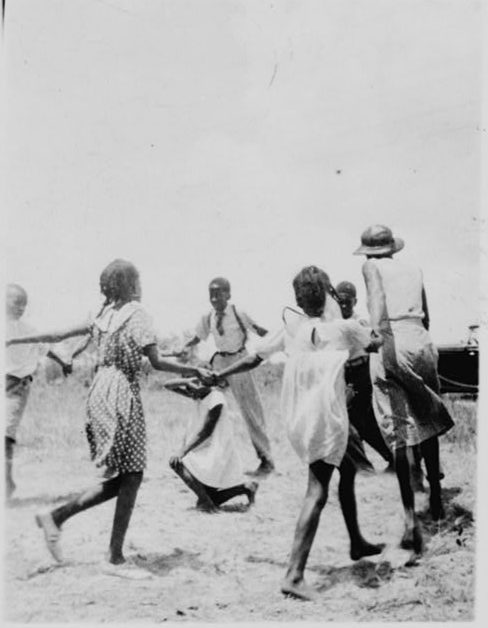
If you have an opportunity to spend some time researching out of town this summer, or do your research in the coolness of your own home, here are a few new-to-me sources you also might find useful. I’ll start with some miscellaneous photo and other sources, follow with those from some southern states, and end with something fun.
Did you ever wonder how photographs were sent anywhere before we all went digital? You could use mail to send your photograph, but for the most advanced way, look to the wire! This process was “a leap forward for mass visual media.” Read and see “How Photos Were Transmitted by Wire in 1937” via openculture on YouTube to find out about this process.
In keeping with what’s gone before, and having somewhat a revival, take a look at all the information on Polaroid Corporation, its history, and it’s influence on our culture in ten sections, including Anselm Adams and other artists’ involvement, plus a Polaroid Timeline 1932-1977. Learn about a woman who was a key female contributor to the development of instant photography, Meroë Morse. All images and information from Harvard Business School’s Baker Library.
Photographic postcards can show us many things, but have you ever thought about how your grandma, more probably your great grandma, looked in a bathing suit, a bathing costume? Fashion was being challenged with these “new” suits. Read “Ellie” McCrackin’s Oh How Times Have Changed for a look at the summers of yesterday.
Did you know you can search Library of Congress’s Chronicling America and clip, save, and share whole and/or parts of newspaper images, including a single visual image? Find out how to do this using this Guide on their site.
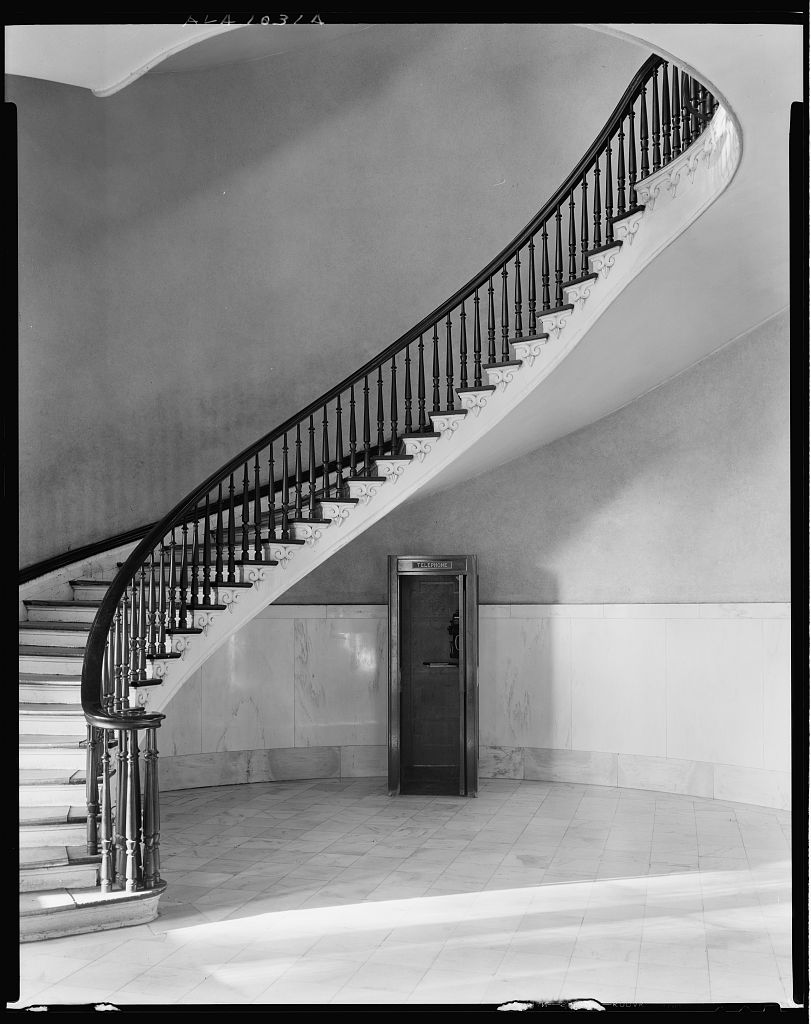
Alabama – A project for the digital enhancement of the historic markers placed by the Alabama Historic Association (AHA) will result in a digital map that displays “click-over” popups to show marker location information, with text, related photographs. and links to digitally available articles. The goal is to enhance tourism and K-12 social studies education. Read about the project here, and see the existing historic markers via the Alabama Historical Association.
Georgia – Ken Marks has updated his list of Free Online Georgia Digital Archives this year. Included are photographs and postcards, as well as maps and other items that may include visual materials like Scrapbooks, Family Papers, and County Histories. There is also a useful link here to online materials at Historically Black Colleges and Universities (HBCU). See also his Free Georgia High School and College Yearbooks Online.
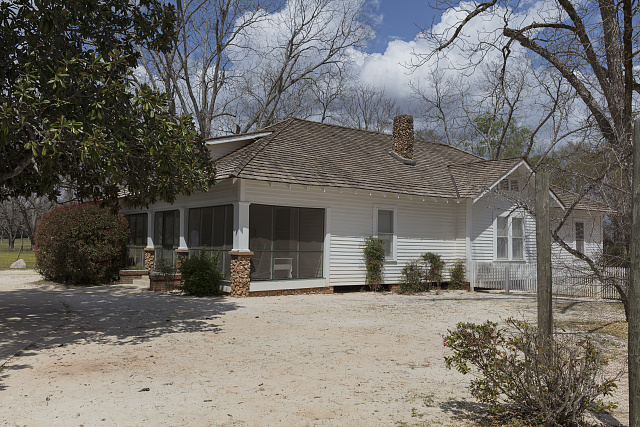
Right after the death of President Jimmy Carter, our 39th president, from Plains, Georgia, the Library of Congress posted a selection of photographs from their collections on their blog, Picture This. Most of the photographs, with connections to President Carter and/or First Lady Rosalynn Carter, are from the U.S. News collection and taken by staff photographers 1976 – 2017. Other photographs used are from the Historic American Buildings Survey (HABS) collection, and the Carol M. Highsmith Archive.
For some reason I had never heard of Photogammar, or if so, I had forgotten. A search on Georgia in this site produces 3,189 images – you can move the pointer to any area or city of interest to see the images made there. This tool allows you to explore the full 170,000 photographs taken 1935 -1944, under the direction of the Farm Security Administration (FSA) and the Office of War Information (OWI). It is an extremely important photographic archive and documents government initiatives and scenes of life during the Great Depression and World War II.
North Carolina – Central Piedmont Community College has over 40,000 students enrolled annually, and six campuses. It is a significant educational institution in North Carolina with a long history and extensive archives. They have been part of the North Carolina Digital Heritage Center (NCDHC) for ten years. In the last few months they have added student literary magazines spanning 46 years, under three different titles. Read about this extensive collection of over 500 digitized records at their NCDHC site here.
Tennessee – Born in 1922 in Memphis, Tennessee, Dr. Ernest C. Withers is recognized for his iconic photographs in Memphis, and the broader South. His photographs of now well-known musicians during Memphis’s early days of legendary blues, soul, and rock and roll are wonderful, and he became the official photographer for Stax Records. His documentation of the of Civil Rights movement covered Dr. Martin Luther King Jr., and all the important events surrounding him. He also documented baseball in the Negro Leagues. Earlier this year, Dr. Withers’ daughter Rosalind talked about The Withers Collection and her work of to preserve her father’s legacy.
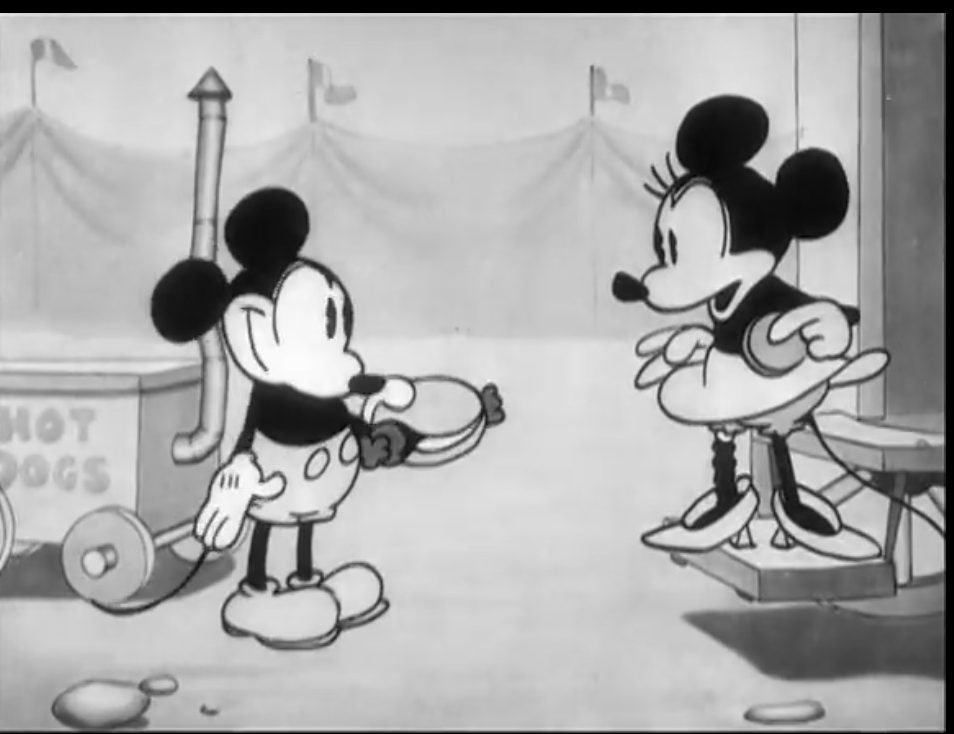
Let’s end with something really fun! Mickey Mouse cartoons published in 1929, are now in the public domain which makes these early Mickeys to use and enjoy, free of copyright laws. Find twelve of these 1929 cartoons, including The Karnival Kid, which is the first time Mickey spoke, on Internet Archive, along with 1928’s Steamboat Willie.
© E. Lee Eltzroth and Hunting & Gathering, 2025. Unauthorized use and/or duplication of this material, including photographs, without written permission from this blog’s author, is prohibited. With permission, excerpts and links may be used, provided that full and clear credit is given to E. Lee Eltzroth and Hunting & Gathering, with appropriate and specific direction to the original content.


 Hunting and Gathering